How Marketing Has Evolved in the Digital Age
Marketing has undergone a remarkable transformation over the past few decades. Businesses once relied heavily on traditional methods such as newspapers, magazines, radio, television commercials, billboards, and flyers to reach potential customers. While these methods were effective, they often required significant budgets and offered limited ways to measure results. The rise of the internet and digital technologies has fundamentally changed how businesses connect with consumers, creating new opportunities for engagement, personalization, and growth.
The Era of Traditional Marketing
Before the digital revolution, marketing focused on reaching large audiences through mass media channels. Companies invested heavily in television advertisements, newspaper placements, and outdoor advertising to build brand awareness. Communication was primarily one-way, with businesses delivering messages to consumers without receiving immediate feedback. Measuring campaign effectiveness was also challenging, as marketers had limited data on customer behavior and preferences.
The Rise of Digital Marketing
The widespread adoption of the internet marked the beginning of a new era in marketing. Businesses gained access to websites, search engines, email, and social media platforms, allowing them to communicate directly with customers. Unlike traditional marketing, digital marketing enables two-way interactions, helping brands build stronger relationships with their audiences.
Digital marketing offers several advantages, including lower costs, global reach, real-time communication, and detailed performance tracking. Businesses can now analyze customer behavior, understand market trends, and optimize campaigns based on data-driven insights.
Key Changes in Modern Marketing
1. Increased Customer Engagement
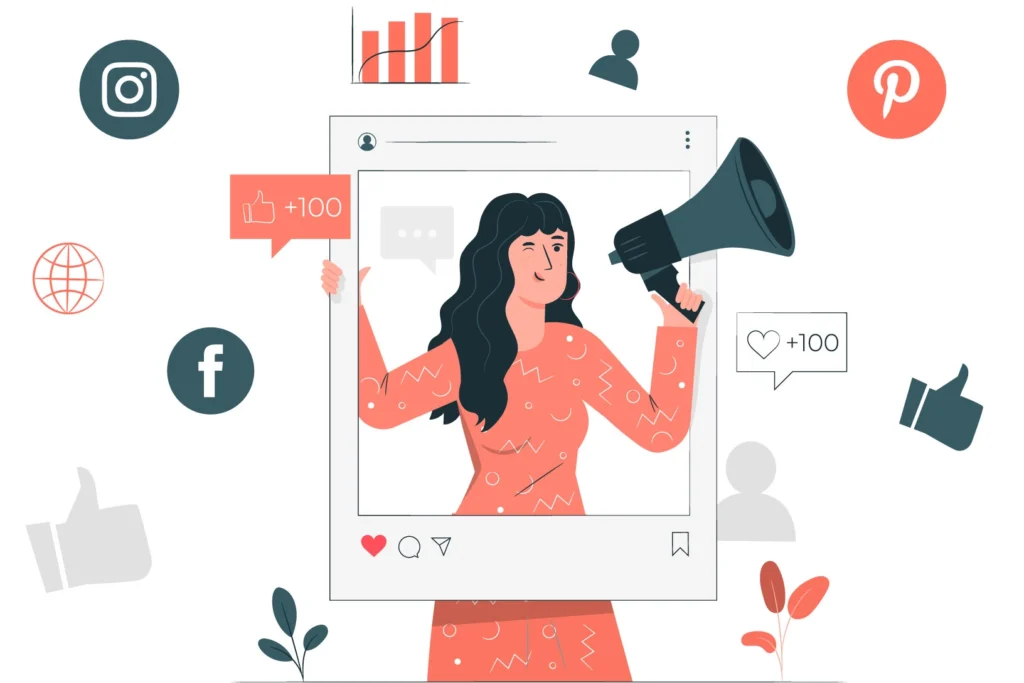
Social media platforms have transformed how businesses interact with consumers. Customers can now comment, share feedback, ask questions, and engage with brands instantly. This direct interaction helps companies build trust and improve customer satisfaction.
2. Data-Driven Decision Making
Digital tools provide marketers with valuable insights into customer behavior. Metrics such as website traffic, click-through rates, conversion rates, and engagement levels allow businesses to measure campaign performance accurately and make informed decisions.
3. Personalized Marketing
Modern consumers expect personalized experiences. Through data analysis and customer segmentation, businesses can deliver targeted advertisements, personalized emails, and relevant content that match individual interests and needs.
4. Cost-Effective Advertising
Digital marketing platforms offer flexible advertising options for businesses of all sizes. Small businesses can compete with larger organizations by using social media marketing, search engine optimization (SEO), and pay-per-click (PPC) advertising to reach specific audiences without large budgets.
5. Global Reach
Digital channels eliminate geographical barriers. A business can promote its products and services to customers worldwide through websites, social media platforms, and online marketplaces, expanding its potential customer base significantly.
Traditional Marketing vs Digital Marketing
| Traditional Marketing | Digital Marketing |
|---|---|
| Uses TV, radio, newspapers, and billboards | Uses websites, social media, email, and search engines |
| Expensive for many businesses | More cost-effective and scalable |
| Difficult to measure results | Easy to track and analyze performance |
| One-way communication | Two-way interaction with customers |
| Limited audience targeting | Highly targeted audience segmentation |
The Future of Marketing
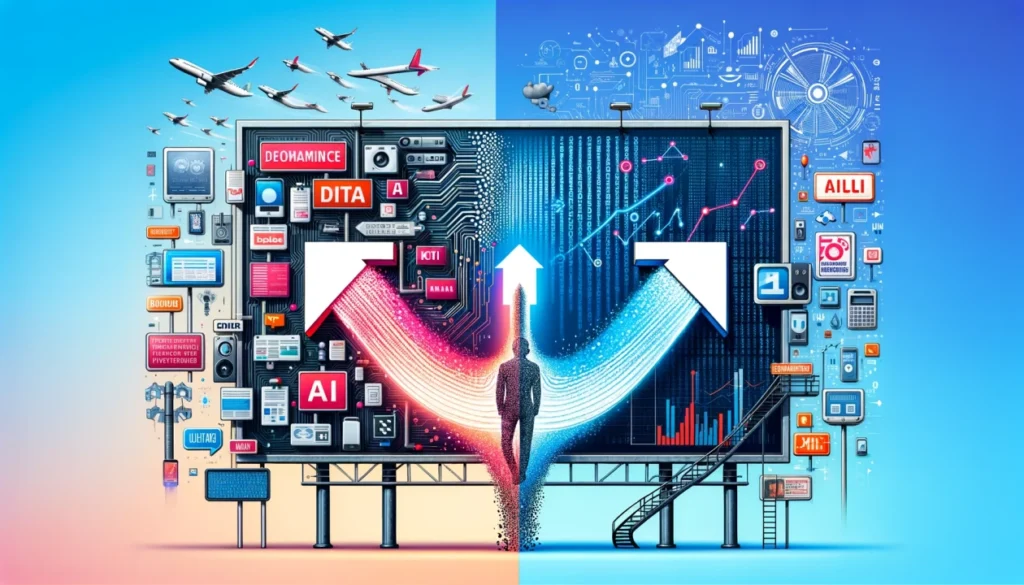
As technology continues to evolve, marketing is becoming increasingly driven by artificial intelligence, automation, data analytics, and emerging technologies. Businesses are using AI-powered tools to create personalized customer experiences, automate repetitive tasks, and improve marketing efficiency. Video content, influencer marketing, voice search optimization, and AI-assisted content creation are expected to play a major role in the future of marketing.
Conclusion
The transition from traditional marketing to digital marketing has revolutionized the way businesses communicate with consumers. While traditional marketing still holds value in certain situations, digital marketing provides greater flexibility, measurable results, and stronger customer engagement. Organizations that embrace digital technologies and adapt to changing consumer behavior will be better positioned to succeed in today’s competitive business environment.